
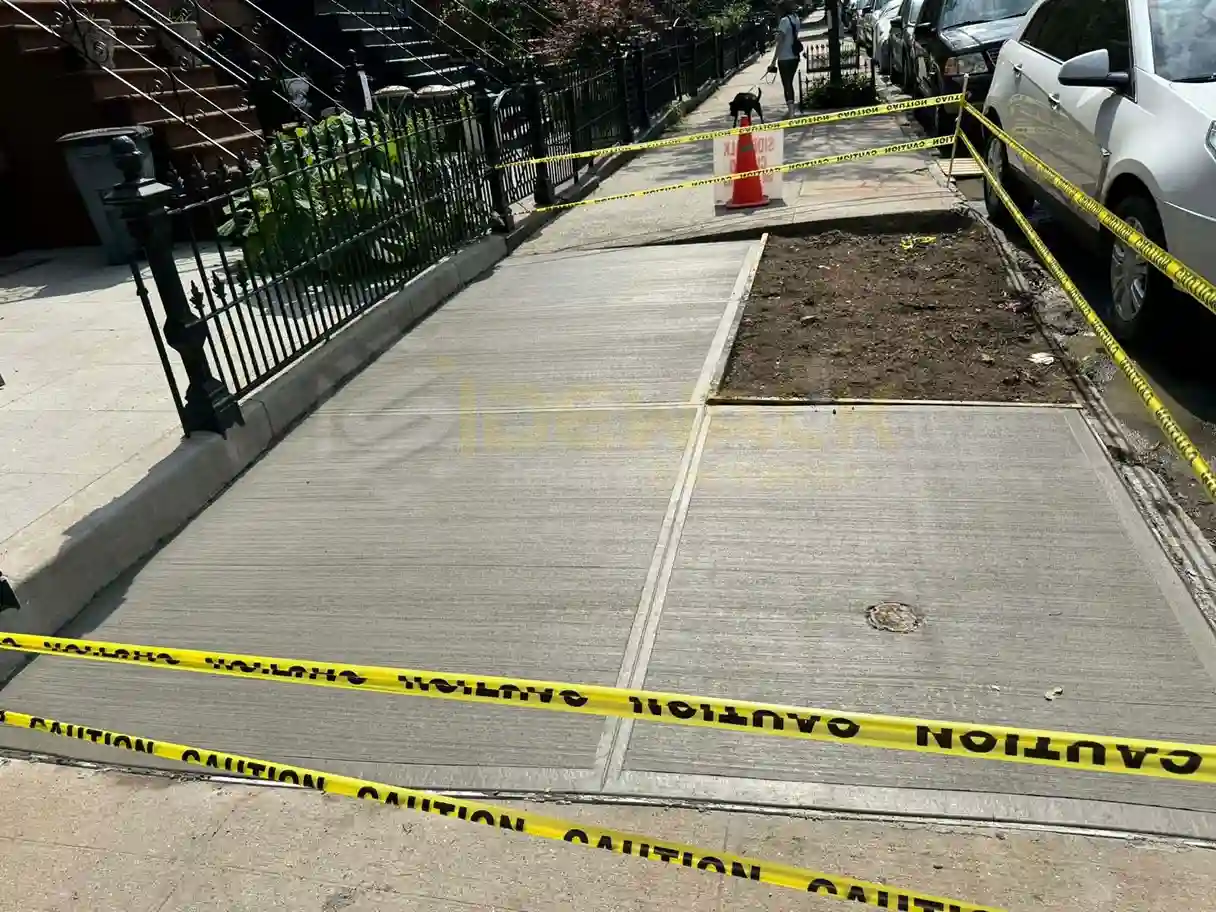
Sidewalk Violations in Manhattan: Causes, Risks, and Prevention
Sidewalks in Manhattan are used every single day by thousands of people. From office workers and delivery drivers to families, seniors, and tourists, everyone depends on safe sidewalks to move around the city.
When a sidewalk becomes damaged, it can quickly turn into a safety risk. That is why, according to the New York City Department of Transportation (DOT), sidewalk conditions are taken very seriously.
Many property owners are surprised when they receive a sidewalk violation notice. Often, the damage did not happen overnight. It usually starts small and gets worse slowly. This article explains what sidewalk violations are, what causes them in Manhattan, and how property owners can avoid them before they become costly problems.
What Is a Sidewalk Violation?
A sidewalk violation is a notice issued by the NYC Department of Transportation (DOT). It means the City believes the sidewalk in front of your property is unsafe or does not meet city standards.
When a violation is issued, the property owner is required to fix the problem within the timeframe specified in the violation notice.
Sidewalk violations are not just warnings. They are official records and can cause issues if left unnoticed. If repairs are not completed within the required timeframe, the City may complete the work and charge the owner, potentially placing a lien on the property.
Why Sidewalk Violations Happen So Often in Manhattan
Manhattan sidewalks face more stress than many other areas because of high population density, heavy foot traffic, constant construction, weather changes, and aging underground infrastructure.
Because sidewalks are public spaces, even small problems can become serious if they affect pedestrian safety.
In New York City, property owners are generally responsible for maintaining the sidewalk next to their building. Many owners do not realize this until a violation arrives.
Common Causes of Sidewalk Violations
Uneven Sidewalk Slabs
One of the most common reasons for sidewalk violations is uneven concrete. Even a relatively small height difference between adjacent slabs can create a tripping hazard.
Uneven slabs often develop because the soil underneath shifts, washes away, or is pushed by tree roots. In busy areas of Manhattan, these conditions are taken seriously by inspectors.
Cracks in the Concrete
Cracks may seem harmless at first, but over time they can grow wider and deeper. Water can enter the cracks, freeze during winter, and contribute to further concrete deterioration.
Cracks can become particularly dangerous when they create gaps or edges that could catch a shoe, cane, stroller wheel, or wheelchair.
Tree Root Damage
Trees are common along Manhattan streets. As trees mature, their roots naturally expand beneath the pavement. Over time, this growth can cause sidewalk damage from tree roots, including lifted, cracked, and uneven concrete slabs.
Although many street trees are maintained by the City, property owners may still have responsibilities for repairing sidewalk damage caused by tree roots.
Broken or Missing Concrete Sections
If parts of the sidewalk are missing, broken, or badly worn down, inspectors may issue a violation because these areas can create clear tripping hazards.
Severe damage may require replacement rather than a simple repair.
Poor Drainage and Water Pooling
Sidewalks should be properly graded so water can drain away. When water collects on the surface, it can create slippery conditions and contribute to concrete deterioration.
Drainage problems can be especially dangerous in winter when standing water freezes and turns into ice.
Accessibility Issues
Sidewalks must be usable by everyone, including people with disabilities. If a sidewalk is excessively steep, uneven, obstructed, or otherwise prevents accessible passage, it may create compliance issues.
Need this fixed on your property?
Our licensed crews handle sidewalk repair, replacement and DOT violation removal across every Manhattan neighborhood. Free estimates, permits included.
